When considering natural stone countertops, many homeowners encounter an unsettling issue: hairline cracks. These seemingly minor imperfections can tarnish the beauty of a well-designed kitchen. According to Dr. Angela Morris, an expert in material sciences, “Understanding what causes hairline cracks in natural stone countertops is essential for both maintenance and longevity.”
Factors contributing to these cracks can vary widely. Temperature fluctuations, heavy objects, and inadequate support can lead to stress on surfaces. Even minor impacts can cause issues over time, resulting in hairline fractures that are difficult to detect initially. Additionally, some natural stones are more prone to cracking due to their inherent properties.
Awareness of these issues is crucial for homeowners invested in quality and durability. While hairline cracks may appear trivial, they can indicate underlying problems. Regular inspections and proper care can mitigate these risks. Understanding what causes hairline cracks in natural stone countertops empowers owners to protect their investment proactively.
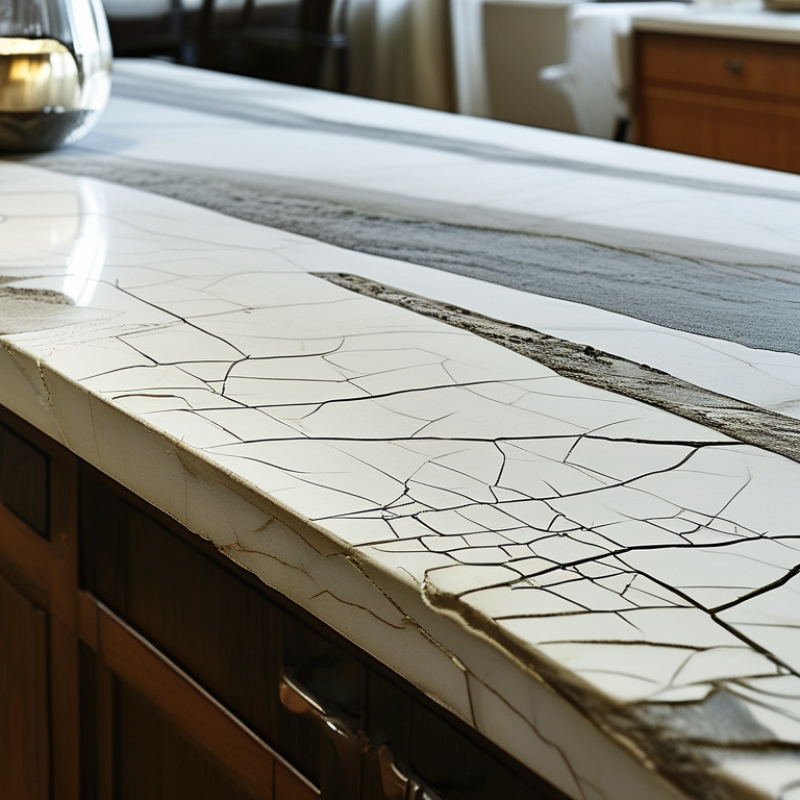
Top 10 Causes of Hairline Cracks in Natural Stone Countertops
Hairline cracks in natural stone countertops can be frustrating. Understanding the top causes can help you prevent further damage. One common culprit is thermal stress. Rapid temperature changes can create tension in the stone, leading to cracks. For instance, placing a hot pot directly on the surface can be risky. Always use trivets to protect your countertops.
Another significant factor is heavy impact. Dropping a heavy object can leave marks or cracks on the stone. When moving items around the kitchen, exercise caution to avoid mishaps. It's essential to handle your utensils and appliances with care.
Additionally, installation issues can contribute to cracking. Improper support or sealing can lead to movement and stress on the stone. Ensure that your countertop is installed by professionals who understand stonework. Regular maintenance is crucial for longevity. Clean your surfaces with appropriate products to prevent wear and tear.
Regular inspections can catch early signs of damage. Always look for small chips or cracks before they worsen. Remember, prevention is often easier than repair.
Understanding the Structure of Natural Stone and Its Vulnerabilities
Natural stone countertops are admired for their beauty and elegance. However, understanding their structure reveals vulnerabilities. These surfaces, made of granite, marble, or other stones, can develop hairline cracks. These cracks may seem insignificant but can indicate deeper issues.
The crystalline structure of natural stones contributes to their strength but also exposes them to stress. When subjected to temperature changes or heavy weight, these materials can expand or contract. This creates tension within the stone, leading to cracks. A sudden impact from a dropped kitchen item can also fracture the surface.
Moisture is another factor that can compromise natural stone. Water can seep into tiny pores, weakening the structure over time. If the stone is not properly sealed, it becomes more susceptible. Environmental conditions, like high humidity or extreme heat, can further exacerbate the issue. Recognizing these vulnerabilities is crucial for taking preventive measures. With proper care, the lifespan of your countertop can be significantly extended.
Top 10 Causes of Hairline Cracks in Natural Stone Countertops
| Cause |
Description |
Preventive Measures |
| Thermal Stress |
Rapid temperature changes can cause expansion and contraction in the stone. |
Use trivets and avoid hot cookware directly on the surface. |
| Improper Installation |
Lack of proper support or uneven surfaces can lead to cracks. |
Ensure proper leveling and support during installation. |
| External Impact |
Dropping heavy objects on the countertop can cause cracks. |
Be cautious with heavy items and avoid dropping them on the surface. |
| Water Damage |
Excess moisture can infiltrate and weaken the stone structure. |
Seal the stone regularly to manage moisture absorption. |
| Chemical Damage |
Harsh cleaners can deteriorate the stone's surface. |
Use pH-balanced and stone-safe cleaners for maintenance. |
| Age and Wear |
Over time, natural stones can develop micro-cracks due to normal usage. |
Regular polishing can help maintain the stone's integrity. |
| Poor Quality Stone |
Some stones are more prone to cracking than others based on natural properties. |
Choose high-quality stone from reputable sources. |
| Deep Cuts and Scratches |
Improper use of sharp objects can gouge the surface. |
Always use cutting boards to protect the countertop. |
| Subpar Maintenance |
Lack of consistent care can lead to deterioration of the stone. |
Establish a regular cleaning and sealing routine. |
| Inadequate Ventilation |
Improper airflow can exacerbate moisture issues. |
Ensure good ventilation in the kitchen area to maintain balance. |
The Impact of Temperature Changes on Stone Integrity and Cracking
Temperature changes play a significant role in the integrity of natural stone countertops. Stones like granite and marble expand and contract with heat. Extreme temperature fluctuations can create internal stress. Over time, this stress may lead to hairline cracks. These cracks often appear in high-traffic areas or where heat sources are used.
When a hot pan is placed on a cold surface, the sudden change can be detrimental. This rapid shift in temperature causes the stone to react. Small fissures may develop, often going unnoticed at first. Regular exposure to such conditions can worsen the situation. Homeowners might not realize the cumulative effect of these temperature changes until cracks start to form.
Maintaining a stable environment is crucial for preserving stone countertops. Avoid placing hot items directly on the surface. Use trivets or pads to help mitigate the risks. Investing in proper care can enhance durability. However, even the best practices cannot always prevent hairline cracks. It's essential to be aware of the stone's limitations and ensure proper care.
Top 10 Causes of Hairline Cracks in Natural Stone Countertops
This chart represents the top 10 causes of hairline cracks in natural stone countertops. Temperature fluctuations are highlighted as the leading cause, followed by factors such as poor installation and heavy loads.
Common Installation Errors Leading to Hairline Cracks in Countertops
Hairline cracks in natural stone countertops can lead to significant aesthetic and functional issues. Many of these cracks originate from poor installation practices. A study by the Natural Stone Institute indicates that approximately 30% of countertop failures result from improper installation methods. The foundation matters greatly; an uneven or unstable base can cause tension in the stone, resulting in cracks over time.
Another common error arises from inadequate sealing. Natural stone is porous, and when not sealed properly, it can absorb moisture, leading to expansion and contraction. According to the Marble Institute of America, this misstep can compromise the integrity of the stone. Furthermore, harsh chemical cleaners can exacerbate these issues, weakening the stone and increasing the risk of cracks.
Attention to detail during installation is crucial. Placing heavy objects on a surface without distributing the weight evenly can create stress points. The American National Standards Institute emphasizes the importance of following recommended guidelines during installation to prevent such problems. Ensuring proper ventilation and maintaining a steady temperature during installation can also help mitigate hairline cracks over time.
Effects of Moisture and Humidity on Natural Stone Durability
Moisture and humidity significantly affect the durability of natural stone countertops. High humidity levels can warp the stone. This can lead to hairline cracks, diminishing the stone's aesthetic appeal. Natural stone is porous, so it absorbs moisture. This absorption can weaken the structure over time.
When humidity fluctuates, it can introduce stress within the stone. This stress often manifests as cracks. Additionally, prolonged exposure to moisture can encourage mold and mildew. These growths not only damage the stone but also compromise hygiene. Regular maintenance and sealing help, but they may not eliminate the risk entirely.
Environmental factors play a crucial role in stone integrity. In areas with extreme weather, the potential for damage increases. It’s essential to consider how surroundings impact your stone. Neglecting these factors can lead to costly repairs. Reflecting on the balance of moisture and maintenance is vital for preserving natural stone countertops.
Maintenance Mistakes That Can Accelerate Hairline Crack Formation
Maintaining natural stone countertops requires careful attention. One common mistake is using abrasive cleaners. These can scratch the surface, weakening the stone. Even minor scratches can lead to hairline cracks over time. As the surface wears down, it loses its ability to withstand stress from heavy objects or heat.
Another issue is neglecting sealing. Natural stone is porous, meaning it can absorb liquids. Without regular sealing, moisture can penetrate the stone, causing internal pressure. This pressure may trigger cracks, especially in high-traffic areas. Using the wrong sealant can further exacerbate the problem, creating more vulnerabilities.
Temperature fluctuations also play a significant role. Placing hot pots directly on the countertop can create thermal stress. This may not cause immediate damage, but repeated exposure increases the risk of cracking. Over time, even small thermal changes can lead to significant damage. Making an effort to protect your countertops is essential.
FAQS
: Temperature changes cause stones to expand and contract, leading to internal stress.
The sudden temperature shift can create small fissures that develop unnoticed at first.
These areas experience more stress from constant use, increasing the likelihood of cracking.
Yes, using trivets or pads can help protect the stone from hot items.
High humidity can warp the stone and lead to hairline cracks over time.
It can encourage mold growth, damaging the stone and compromising hygiene.
Regular sealing and maintenance help, but they may not eliminate risks entirely.
Balancing moisture exposure and maintenance is vital to preserve stone integrity.
Yes, extreme weather increases the potential for cracks and other damages.
Even with care, hairline cracks may still occur due to the stone's natural properties.
Conclusion
The article "Top 10 Causes of Hairline Cracks in Natural Stone Countertops" delves into various factors that contribute to the formation of these unsightly imperfections. Understanding the structure of natural stone reveals its intrinsic vulnerabilities, which can be exacerbated by significant temperature fluctuations that compromise stone integrity. Additionally, common installation errors can lead to improper support and placement, resulting in hairline cracks over time.
Moisture and humidity play critical roles in diminishing the durability of natural stone, often leading to accelerated wear and tear. Lastly, routine maintenance practices, if not performed correctly, can inadvertently promote the development of hairline cracks. Ultimately, this comprehensive analysis answers the critical question of what causes hairline cracks in natural stone countertops, providing insights into prevention and care.

 Aura Stone