Precision-fabricated architectural slabs, industrial markers, and bespoke composite solutions meeting international performance criteria.
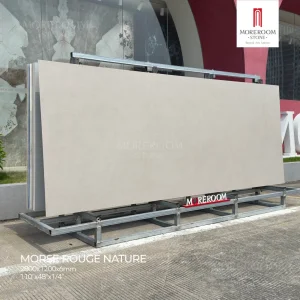
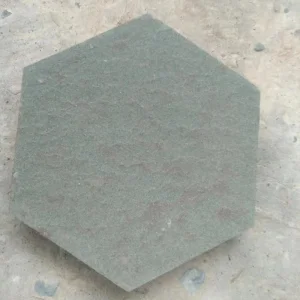
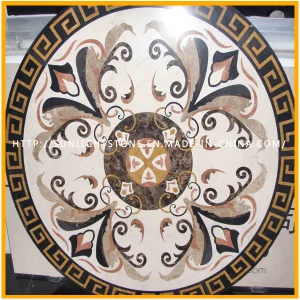
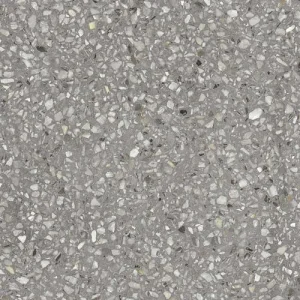
Established in Foshan, China, in 2005, Foshan Aura Stone Co., Ltd. has evolved over the past two decades into a dominant tier-one supplier, manufacturer, and exporter of architectural stone and engineered materials. Today, our distribution footprint spans more than 150 countries worldwide, supporting infrastructure developments, landmark corporate offices, and heavy-duty industrial fabrications.
By leveraging two decades of direct quarry integrations and high-precision CNC machinery, we have transition from a trade-focused operation into a comprehensive, vertically integrated enterprise. Our modern factories specialize in OEM/ODM fabrication, processing raw mineral structures into high-density soapstone countertops, refractory blocks, acid-resistant laboratory benches, and specialty metallurgical markers.
“Our engineering framework integrates global standard compliance with localized specifications, establishing consistent physical and chemical reliability for architectural and metallurgical applications alike.”
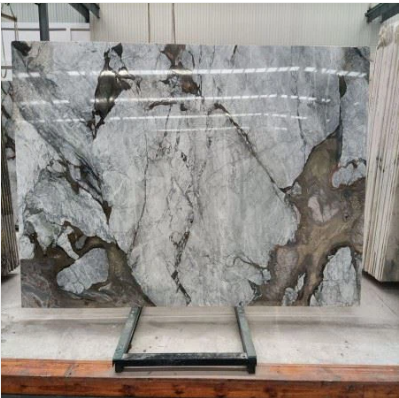
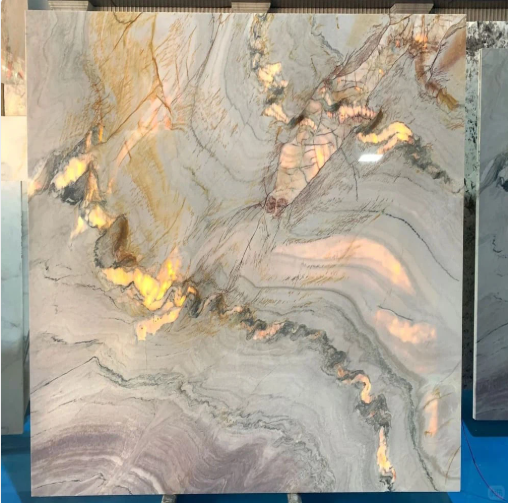
Our solutions have been tested in the world's most demanding environments. Notable infrastructure collaborations include large-scale urban development systems in Switzerland, national cemetery monuments in Russia, subway station high-traffic transit floors in the Netherlands, and bespoke hospitality suites across top-tier hotel groups.
By coordinating direct metallurgical supply chains and heavy machinery industries, we also manufacture structural refractory linings and industrial-grade welding soapstone markers. Our adherence to responsibility, progress, gratitude, and happiness forms the bedrock of our sustainable mining practices and low-emission stone processing methodologies.
Analyzing mineral density, thermal mass retention, chemical inertia, and the shift toward specialized mechanical processing.
Soapstone, geologically classified as talc-schist or steatite, is a metamorphic rock composed predominantly of talc, with varying proportions of chlorite, micas, amphiboles, carbonates (such as magnesite, ankerite, and dolomite), and iron oxides. Its industrial utility stems from its exceptional physical attributes: high specific heat capacity (thermal mass), extreme chemical resistance, low electrical conductivity, and high density. In modern industry, global demand has branched into two main segments: Architectural Surfaces (countertops, stoves, sinks) and Industrial Refractories/Markers (welding chalks, kiln liners, chemical laboratory desks).
In North America and Northern Europe, soapstone is widely specified for clean-energy wood-burning stoves and hydronic heating systems due to its ability to absorb, store, and radiate heat uniformly over extended periods without cracking or degrading (thermal cycling). In Asia, the rapid growth of metallurgy, shipbuilding, and industrial fabrication sectors has catalyzed a massive surge in demand for precision-machined soapstone welding markers. Unlike synthetic alternatives, natural steatite markers resist temperatures exceeding 1000°C without melting, spalling, or obscuring structural markings.
With a density of ~2900 kg/m³ and specific heat capacity of 0.98 kJ/kg·K, it stores up to 2.5 times more heat than standard concrete, enabling slow, radiant release over 6 to 12 hours.
The high talc and magnesite content renders the stone chemically inert, making it immune to harsh acids, organic solvents, and strong bases without surface etching or sealant requirements.
Soapstone has a non-porous structure (<0.05% absorption rating), rendering it naturally hygienic, anti-microbial, and resistant to oil, food, or chemical staining.
From raw bloc classification to 5-axis CNC diamond profiling: how we ensure mechanical consistency across industrial batches.
| Process Phase | Technical Method | Quality Standards & Tolerances | Primary Applications |
|---|---|---|---|
| 1. Block Sourcing & Sorting | Ultrasonic structural screening for internal fault lines. Categorized by talc grade (soft artistic vs. hard structural). | Standard deviation on density < 1.5% | High-refractory liners, custom architectural blocks. |
| 2. Precision Slicing & Wire Sawing | Multi-wire diamond sawing with automated cooling to prevent micro-fissuring from thermal expansion. | Thickness deviation +/- 0.5mm | Laboratory benchtops, thermal mass panels. |
| 3. CNC 5-Axis Milling | Waterjet guided cutting and edge beveling (e.g., bullnose, ogee, chiseled) with digital template scanning. | Dimension tolerance +/- 0.25mm | Undermount sink basins, tailor-fit countertops, mechanical inserts. |
| 4. Mechanical Surface Finishing | Continuous line polishing using diamond grits from 80 to 2000; optional oxidation treatment. | Honed, Leathered, or Satin finishes | Architectural cladding, high-end residential surfaces. |
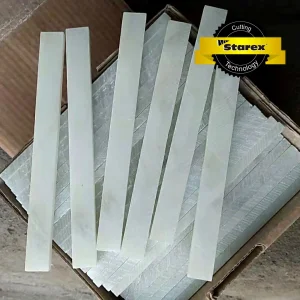
| 5. Industrial Part Dicing | High-speed dry or semi-wet automated multi-blade dicing systems. | Straightness tolerance < 0.1mm | 144PCS Box Welding Soapstone Chalks, refractory spacers. |
Integrating multi-stage settling tanks and centrifuge filtration to recycle 98% of stone slurry and cutting water, minimizing regional environmental impact.
Implementing continuous vacuum-assisted dry collection systems at CNC hubs to ensure OSHA-compliant ambient air quality and worker safety.
Deploying 3D optical scanners to digitize raw block contours, maximizing mineral yield while minimizing waste by up to 25% during nesting processes.
Replacing traditional petroleum-derived oils with specialized, food-grade botanical oil polymers that seal and darken soapstone surfaces with zero VOC emission.
How we engineer specialized soapstone products to withstand thermal load, chemical attack, and mechanical wear.
Providing verified physical parameters, tolerances, and operational guidelines for engineers, purchasing managers, and distributors.
The primary differentiator is the talc content by weight. Artistic-grade soapstone contain high levels of talc (often up to 70%-80%), making it soft enough to carve with hand tools. Conversely, architectural and industrial-grade soapstone consists of approximately 30%-50% talc, balanced with harder minerals like chlorite (which adds toughness and flexural strength), magnesite (which enhances thermal conductivity and mechanical density), and various micas. This structural composition yields a Shore hardness scale rating that resists denting while retaining the material's signature thermal and chemical resistance properties.
Unlike granite, marble, or quartzite, which are composed of mineral crystals (such as quartz and feldspar) that expand and contract at divergent rates under thermal stress, soapstone is highly homogeneous and exhibits a low coefficient of thermal expansion. Because its minerals expand at uniform rates, it can withstand extreme, localized thermal cycling (from room temperature to over 800°C) without developing micro-cracks, warping, or spalling. This makes it the preferred natural material for wood stove liners and laboratory heating pads.
For custom-profiled architectural products (such as cut-to-size countertops, sinks, and firebox panels), our typical lead time is 4 to 6 weeks from CAD approval. For standard industrial orders, such as wholesale shipments of welding soapstone markers (e.g., 144PCS box configurations), our high-output dicing lines maintain constant stock, enabling shipment within 7 to 15 days, depending on container quantities and customization of private-label packaging.
Because soapstone is completely non-porous, fluids cannot penetrate its surface. It does not require artificial chemical sealers or polymer topcoats, which can melt or react with industrial acids. Sanitization is achieved via direct washing with industrial disinfectants, alcohols, or autoclave cleaners. Over time, exposure to oxygen causes the talc matrix to darken naturally; this aesthetic oxidation can be accelerated or made uniform by applying food-grade mineral oil or botanical wax.
Yes. As a verified tier-one supplier, we provide comprehensive laboratory test certificates upon request. These include ASTM C97 (absorption and bulk specific gravity), ASTM C170 (compressive strength of natural building stone), ASTM C880 (flexural strength), and ASTM C501 (abrasion resistance). Providing verified physical metrics guarantees that engineering specifications are met before shipping.
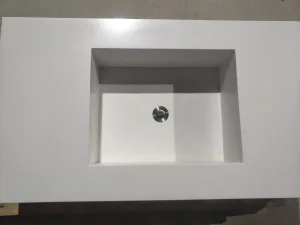
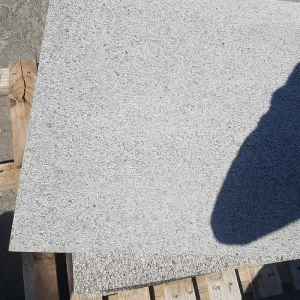
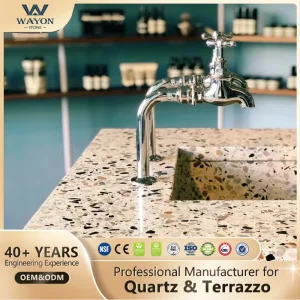
Industrial markers, vanity tops, basalt paving, and custom terrazzo engineered to strict performance metrics.
 Aura Stone